
MY STORY
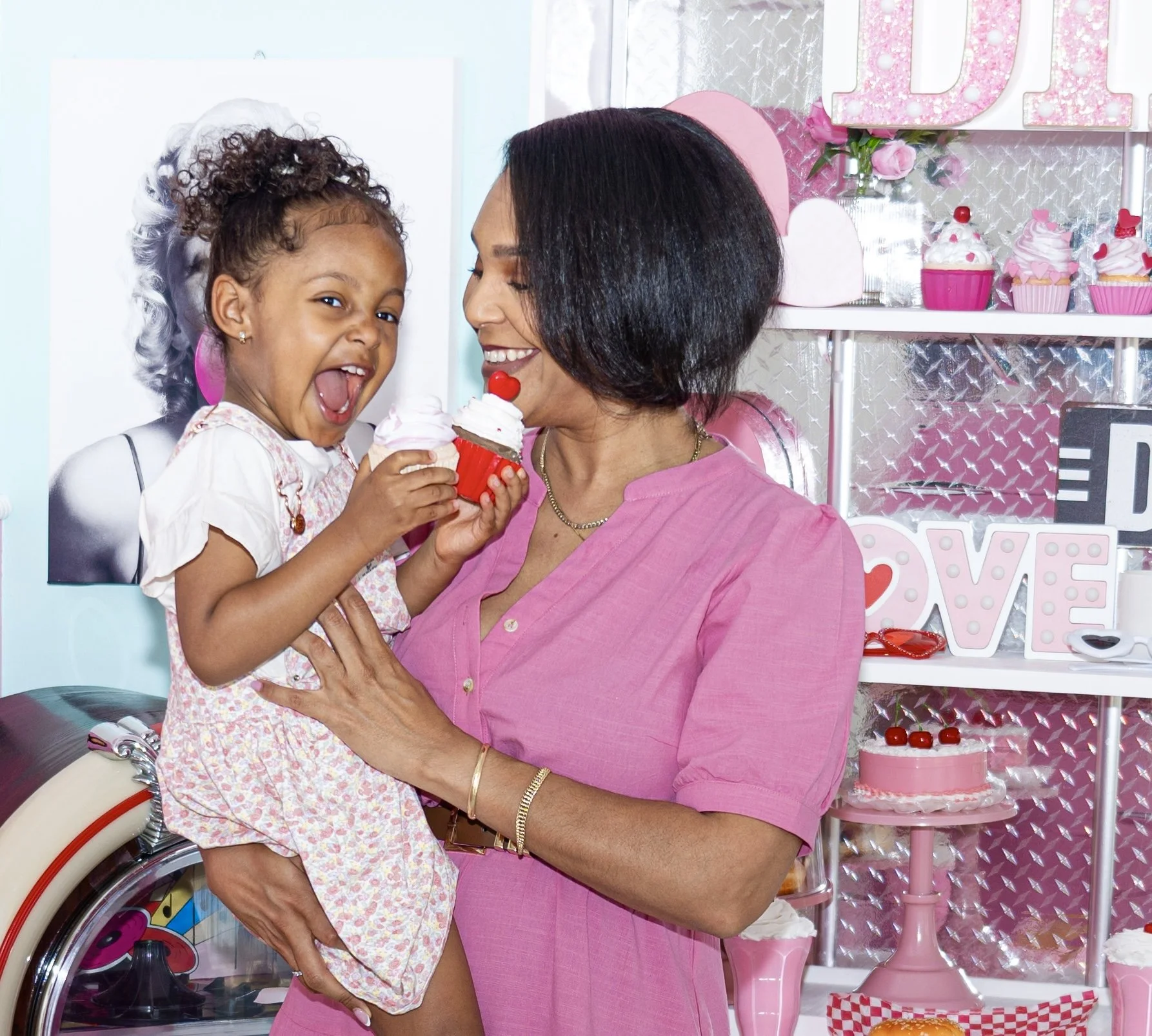
I had a detailed vision for my daughter's life before she was born.
The milestones she'd hit. Who she'd become. The path we'd walk together.
She was two years old when she was diagnosed with autism.
And everything changed.
Not my love for her. Not my belief in who she is or what she's capable of. But the path we'll take to get there. And everything I thought I knew about what that path would look like.
POST-DIAGNOSIS
Getting her diagnosis felt like being handed a ticket to a country I'd never heard of.
No guidebook. No translator. But a flight that left tomorrow.
A WHOLE NEW WORLD
A flood of acronyms, waitlists & impossible pressure.
Suddenly there was a whole new world to figure out. ABA. IEPs. BCBAs and RBTs. Speech evaluations. Insurance authorizations. Waitlists that lead nowhere. Acronyms flying at me from people who'd been living in this world so long they'd completely forgotten what it felt like to arrive in it for the first time.
And underneath all of it, this relentless pressure. Everyone talking about early intervention like the clock is already running out. Get her in. Don't wait. Every day matters.
So I started making calls. Filling out forms. Getting on waitlists. Trying to piece together a world no one ever explained to me. And every time I thought I was making progress, something knocked me back.
I was scared I'd move too slowly and miss a window that couldn't be recovered.
Overwhelmed by how much there was to learn and how fast. And frustrated that a world that was supposed to help my daughter was making everything so much harder than it needed to be.
WHAT I DID ABOUT IT
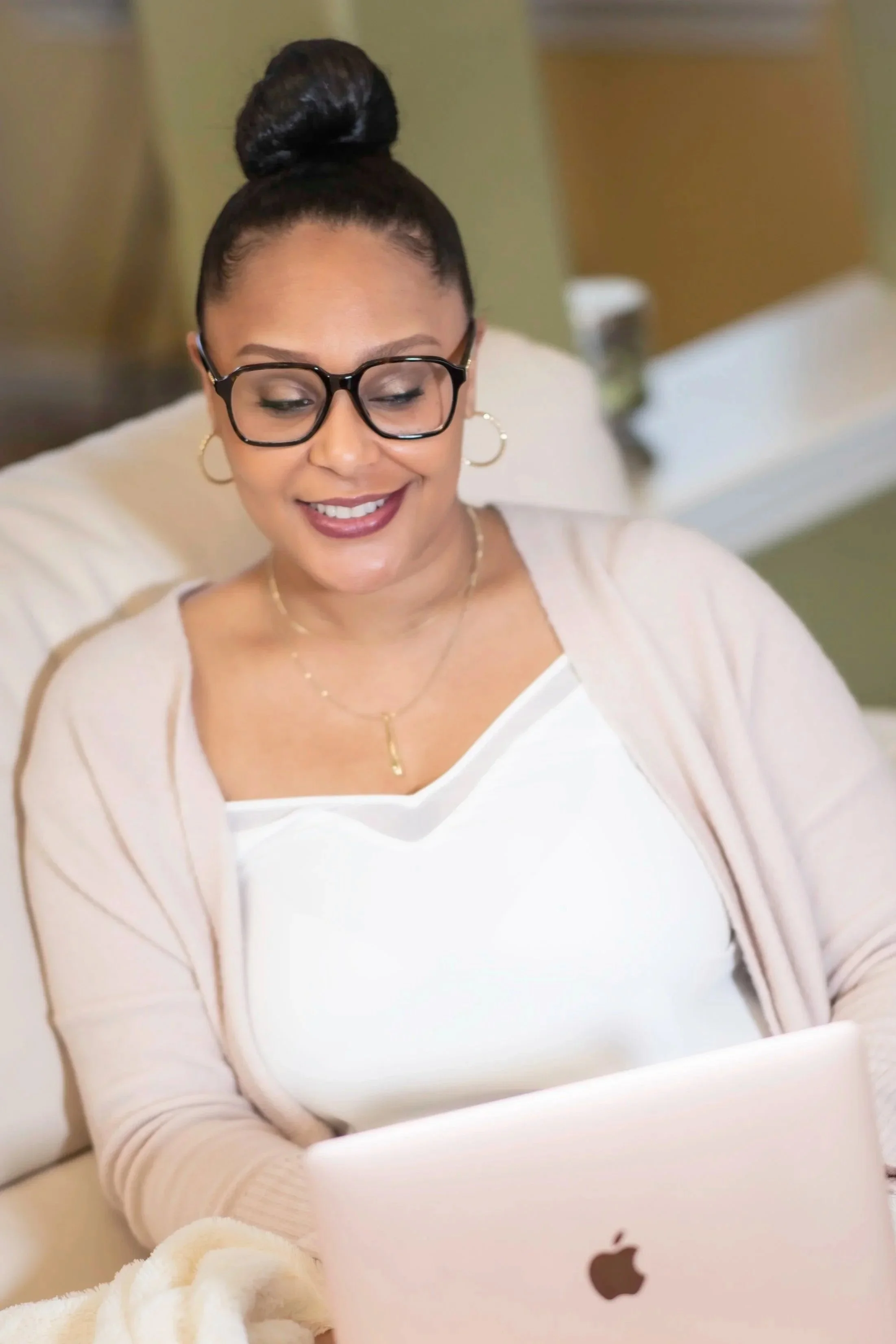
No one hands you a manual for the life you're suddenly thrown into post-diagnosis.
I went all in.
That's how I'm wired.
Observed dozens of therapy sessions.
Read everything. Asked every question.
Used AI to understand reports, prepare for appointments, and draft the emails I didn't know how to write.
Brought my own goals to BCBA meetings.
Challenged approaches that didn't feel right.
Learned to support real collaboration across her SLP, BCBA, OT and pre-K3 team — so they aren't working in silos.
A sabbatical. A rebuild.
I took a lengthy sabbatical from a career I'd spent my entire life building so I'd have the time and bandwidth to be up at 2am reviewing speech goals and questioning ABA approaches.
I have a background in brand strategy — turning complexity into clarity is literally what I do. And I still had to figure most of this out the hard way.
Over time, things started to shift as I 'learned the ropes' and better understood this new culture. And her providers noticed. They told me the way I showed up — informed, prepared, engaged — was different.
That it was changing the outcomes for my daughter, not just by getting her to therapy, but by understanding what was happening inside it and being a value-add member of her care team.
"I refused to be a passive participant in my daughter's care."
THE IAA WAY
What intentional advocacy means.
We don't just go with the flow.
We don't blindly follow the most popular opinion in the Facebook group or assume every expert automatically knows what's best for our kids.
We learn enough to push back
We ask the right questions and challenge what doesn't feel right — respectfully, but firmly.
We don't drop off and hope.
We're not handing our kid off at therapy and crossing our fingers. We're paying attention.
We collaborate, actively.
Engaged with how this world works, working with our child's providers, making informed decisions that change outcomes.
"That's what I set out to do for my daughter. And it's exactly what IAA is here to help you do for yours."
MY STANCE ON EARLY INTERVENTION THERAPIES
Here's where I stand as an autism mom.
I'm not trying to change who my daughter is. And I'm not trying to make her something she's not.
But I am going to help her build the skills she needs to function in the world.
That means:
communicating what she needs
handling frustration
playing and interacting with other kids
moving through everyday environments without emotionally falling apart
That's not about conformity. It's about quality of life.
If something doesn't negatively impact her, I leave it alone. If it limits her ability to learn, connect, or function day to day, we work on it.
That's why she's in speech, occupational therapy, and ABA. Not to change who she is — but to give her the tools she needs to navigate the world around her.
I believe in fiercely loving your child for who they are — embracing and celebrating their individuality — while also preparing them to have the best life possible, with the fewest barriers to their happiness and success.
That's the standard I hold myself to as her mom.

READY WHEN YOU ARE
Become an intentional advocate for your child.
Get the playbook, the guides and the language you need to navigate early intervention with clarity and confidence.